Burnout in Women at Work: When High Achievement Starts to Feel Unsustainable
Workplace burnout in women can develop so gradually that we don’t realize what’s happening until it's too late. We continue to meet deadlines, respond to messages, support coworkers, and manage expectations while feeling increasingly exhausted underneath it all.
At a certain point, pushing through stops feeling temporary. We may feel emotionally detached from work we once cared about, struggle to fully rest, notice that even small demands require more energy than they used to, and begin to lose connection to our outside work life.
At the end of the day, burnout affects more than productivity. It can impact our relationships, physical health, mental health, and connection to ourselves.
Why Workplace Burnout Affects So Many Women
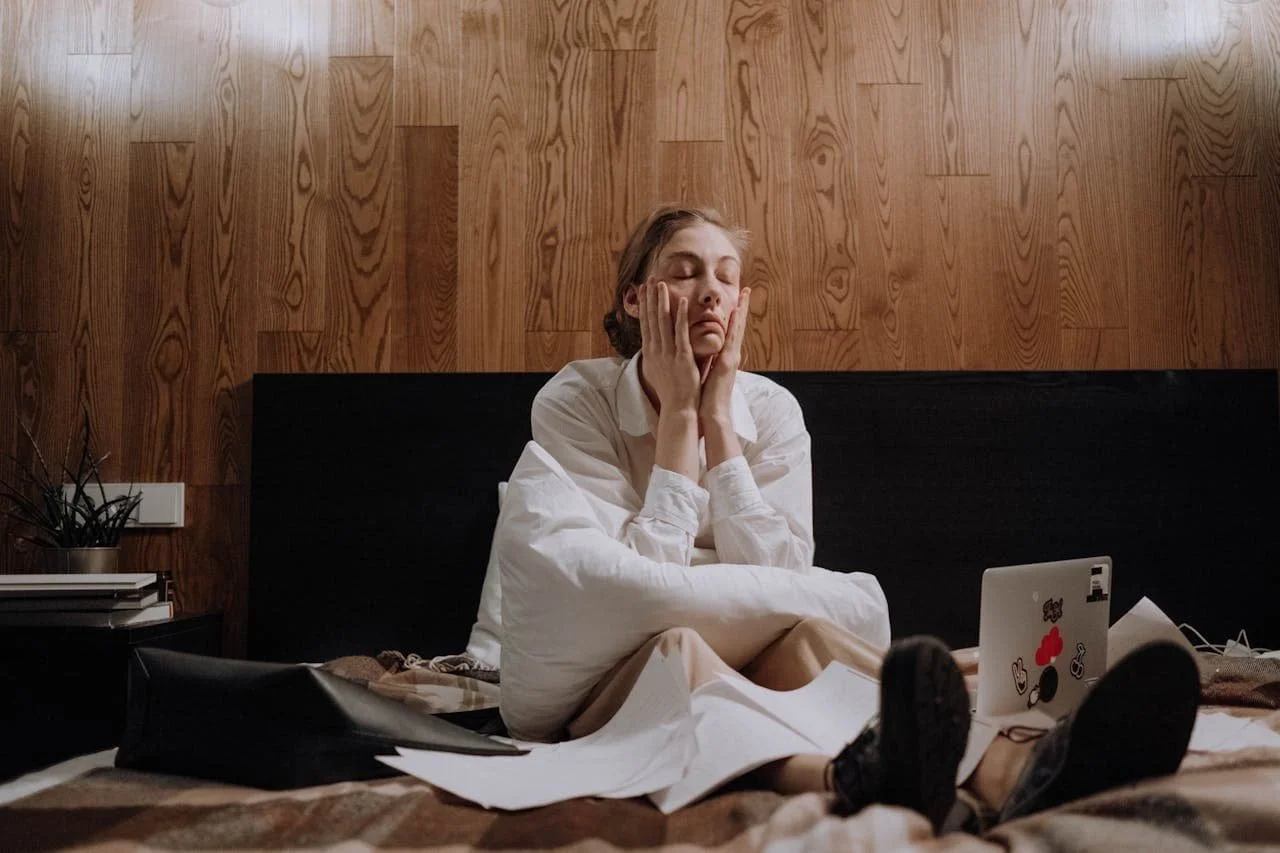
Women are conditioned to anticipate other people’s needs. We're expected to put aside our own work or problems and take on someone else's. This is compounded in professional settings where we often feel pressured to do more than male colleagues, and do it without complaint. As a result, we take on extra emotional labor, struggle to set boundaries, or feel responsible for managing tension within teams.
Some women feel guilty slowing down even when overwhelmed. Others stay in a constant state of mental activation, unable to fully disconnect from work.
Eventually, the nervous system starts signaling that something isn’t sustainable anymore.
How Workplace Burnout Appears
Burnout can create subtle shifts that gradually affect daily life. We may notice ourselves feeling emotionally numb after work, struggling to focus during meetings, becoming resentful toward responsibilities we once cared about, and may even question our career choices.
For some women, burnout creates a persistent sense of pressure that follows us home. Even after the workday ends, the mind stays engaged. We replay conversations and make mental lists of all the tasks we didn't finish and that need to be done tomorrow.
We never full disconnect from work, and our bodies carry that stress as well. Headaches, disrupted sleep, digestive issues, muscle tension, and chronic fatigue are common responses to prolonged overwhelm. We feel constantly “on,” even during moments that are supposed to feel restorative.
Why We Miss the Signs
Many women interpret burnout as a reflection of personal inadequacy rather than chronic overload. We tell ourselves we should be handling things better or assume everyone else is coping more effectively.
Workplace burnout is also connected to relational patterns that deserve attention. Perfectionism, fear of disappointing others, tying self-worth to productivity, and continuing the battle we're somehow still fighting to prove we're as good as the boys can keep us stuck in cycles of overextension.
Insight matters because awareness creates opportunities for change.
When we begin noticing how these patterns show up professionally, we can start responding differently. That may involve creating healthier boundaries and becoming more assertive about what projects we will or won't assume, or learning how to regulate stress before the body reaches a breaking point.
Healing from Workplace Burnout
Recovering from burnout usually requires more than time off. Sustainable change involves reconnecting with ourselves in a more honest and compassionate way.
In therapy, we may explore the pressures we place on ourselves, the relational dynamics contributing to overwhelm, and the ways chronic stress affects both mind and body. Somatic awareness and mindfulness can help us recognize stress responses earlier so we’re no longer pushing past our limits without noticing.
Burnout recovery also involves building more realistic expectations of ourselves while creating space for rest and meaningful connection.
Ready to Talk About It?
If work stress has started affecting your emotional well-being, relationships, physical health, or yes, your career, therapy can help. Together, we can better understand the patterns contributing to it and develop tools that support a more sustainable way of living and working.
Schedule a free 15-minute consultation to learn more about women's therapy for workplace burnout.